

This course explores the transformative role of geospatial data (GIS) and mobility datasets in designing targeted, data-driven health interventions across Africa. Participants will learn how to harness satellite imagery, GPS tracking, mobile network data, and spatial analytics to:
Map disease outbreaks and health service gaps
Optimize resource allocation for epidemics, maternal health, or vaccination campaigns
Analyze human mobility patterns (e.g., migration, urban-rural flows) to predict disease spread
Integrate geospatial tools with health platforms like DHIS2 for decision-making
Key Topics Covered:
📍 Geospatial Fundamentals: GIS mapping, satellite data, and spatial statistics for public health
📍 Mobility Data Sources: Mobile network data, GPS trails, and transport datasets
📍 Use Cases in Africa: Malaria surveillance, emergency response, and healthcare accessibility modeling
📍 Tools & Workflows: QGIS, Python/R for spatial analysis, and interoperability with health systems
Who Should Enroll?
Health program managers and epidemiologists
Data analysts in NGOs/government agencies
GIS specialists working in African contexts
Researchers studying disease dynamics or health equity
Outcome:
By the end, learners will be able to design geospatial health projects, interpret mobility patterns, and advocate for evidence-based solutions tailored to Africa’s unique challenges.
Format: Self-paced modules, case studies, and hands-on mapping exercises.
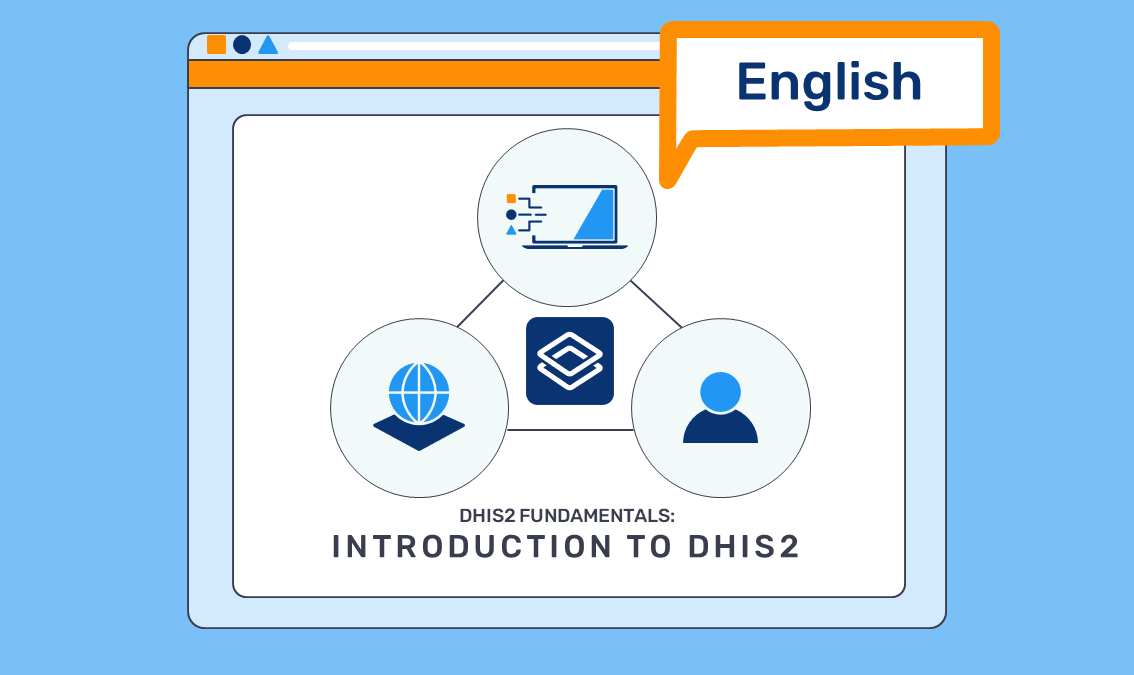
Unlock the power of health data management with DHIS2! This course provides a foundational understanding of the District Health Information System (DHIS2), a robust open-source platform used globally for data collection, processing, aggregation, analysis, visualization and presentation.
What You’ll Learn:
Overview of DHIS2: Discover its purpose, capabilities, and the types of data it manages (aggregated, event-based, and individual patient records).
History & Adoption: Explore the evolution of DHIS2 and its use across organizations worldwide.
Key Features: Learn about data structure, entry methods, validation rules, and offline data capture.
Practical Skills: Gain hands-on experience in data entry, correction, validation, and reporting.
Who Should Enroll?
Health professionals, data managers, and program administrators.
IT specialists and implementers supporting health information systems.
Students and researchers interested in public health data systems.
By the end of this course, you’ll be equipped to navigate DHIS2 confidently and leverage its tools for informed decision-making. Enroll now to master the essentials of DHIS2!

This course aims to cultivate a culture of personal hygiene and cleanliness among staff, fostering a healthy, respectful, and professional workplace. Participants will explore key hygiene practices, understand their importance, and learn how to apply them daily.
- Teacher: LearnwithDSN Admin
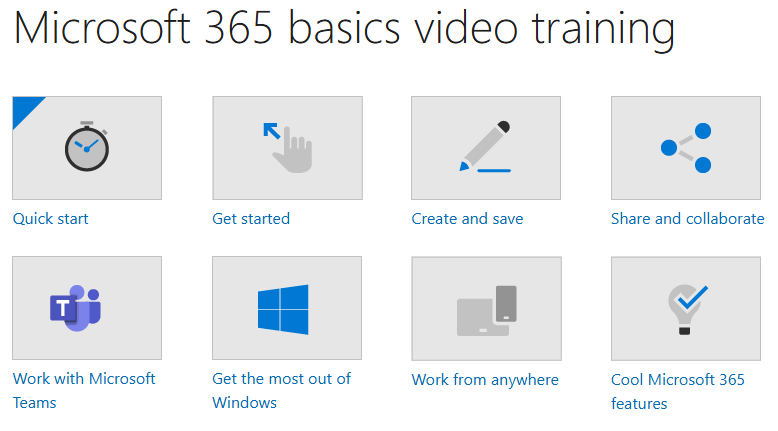
This introductory course is designed to help you master the essentials of Microsoft 365, empowering you to work efficiently and collaboratively in a modern digital environment. Through step-by-step video training, you’ll learn how to navigate key tools and features, from document creation to seamless teamwork.
Key Learning Objectives:
Quick Start: Familiarize yourself with the Microsoft 365 interface and core applications.
Create and Save: Learn to draft, edit, and store documents securely in the cloud.
Share and Collaborate: Discover real-time co-authoring, file sharing, and version control.
Work with Microsoft Teams: Master communication, meetings, and project collaboration.
Optimize Windows Integration: Leverage Windows features for enhanced productivity.
Work from Anywhere: Access files and apps across devices with OneDrive and mobile tools.
Cool Features: Explore time-saving tips, AI-powered tools (like Copilot), and automation.
Who Should Enroll?
Beginners new to Microsoft 365.
Professionals seeking to improve workplace efficiency.
Remote workers or teams transitioning to cloud-based collaboration.
By the end of this course, you’ll confidently use Microsoft 365 to streamline tasks, collaborate effectively, and unlock advanced features for everyday productivity.
Prerequisites: None—just a willingness to learn!
Would you like any modifications or additional focus areas?
Power Apps – Build Custom Business Solutions with Ease
Microsoft Power Apps is a low-code development platform that enables users to create custom business applications without extensive programming knowledge. This course provides a hands-on introduction to designing, building, and deploying Power Apps, allowing individuals and organizations to automate processes, improve efficiency, and drive digital transformation.
What You’ll Learn:
✅ The fundamentals of Power Apps and its role in business solutions
✅ How to create custom applications using a low-code/no-code approach
✅ Best practices for connecting data sources and integrating with Microsoft 365, SharePoint, and external databases
✅ How to automate workflows and enhance user experience
✅ Strategies for deploying and managing Power Apps within an organization
By the end of this course, you will have the skills to design, develop, and implement business applications that improve productivity and streamline operations—all with minimal coding! 🚀

The Open House course is designed to foster a culture of knowledge sharing, transparency, and collaboration within DSN. It serves as a platform where team members can present insights from their projects, industry events, training programs, or personal research to the wider DSN community.
This initiative ensures that valuable learnings, innovations, and best practices are not siloed but are actively shared, discussed, and integrated into DSN’s growth strategy. The course also provides an avenue for open discussions on organizational processes, new technologies, and emerging industry trends.
What You’ll Gain:
✅ Exposure to new ideas, projects, and industry trends from fellow DSNers.
✅ A deeper understanding of best practices and innovative approaches used across different fields.
✅ Opportunities to engage, ask questions, and contribute to collective learning.
✅ A collaborative environment that encourages continuous professional development.
By participating in the Open House, you contribute to a dynamic learning culture that drives excellence, innovation, and shared success at DSN. 🚀

At Data Science Nigeria (DSN), continuous learning is at the core of our growth and excellence. Staff Internal Learnings is a structured knowledge-sharing initiative where employees who have attended external events, programs, training, workshops, or launches share key insights, trends, and best practices with the entire DSN community.
This course ensures that valuable learnings do not remain siloed but are disseminated across teams, fostering a culture of collective intelligence, innovation, and professional development. Additionally, it serves as a platform to reinforce DSN's best practices, ensuring alignment with our values, work standards, and strategic objectives.
By participating, DSNers will:
✅ Gain exposure to new industry trends and methodologies
✅ Enhance collaboration and knowledge exchange within the organization
✅ Understand and adopt best practices in line with DSN's operational excellence
Join us in leveraging shared experiences to drive growth, efficiency, and continuous improvement across DSN!
